Pilsen and the Brewery
Ninety minutes west, the town that invented golden lager in 1842 pours it unfiltered from the barrel in sandstone cellars — a taste that exists nowhere else — beneath the tallest church spire in the country.
The short version
- Trains run Prague to Plzeň in about 75–90 minutes at modest fares (cd.cz), with the brewery gate a ten-minute walk from the station and the old town square between them.
- The history is the headline: in 1842 the citizens’ new brewery, with Bavarian brewer Josef Groll, produced the world’s first pale golden lager — the pilsner that gave its name and method to most of the beer on earth — and Pilsner Urquell (‘original source’) has brewed on the site since.
- The brewery tour per the alarm books ahead (prazdrojvisit.cz): the historic and modern brewhouses, the bottling line’s choreography, and the finale in the sandstone cellar labyrinth — the unfiltered, unpasteurized pour from oak lagering barrels, served at cellar temperature, the taste the alarm promises exists only here.
- The town’s vertical landmark is St. Bartholomew’s cathedral on the square: its spire is the tallest church tower in the Czech Republic at about 102 meters, climbable for the town-and-brewery panorama.
- The Great Synagogue — among the largest in Europe, Moorish-Revival twin towers restored to concert-and-exhibition life — and the Pilsen Historical Underground (kilometers of medieval cellars and wells walked helmeted on guided slots) carry the non-beer tier.
- The Brewery Museum in a medieval malt house and the beer-spa-and-tank-pub ecosystem round the theme — with Pilsner-braised goulash as the lunch canon and the modern town wearing its 2015 European Capital of Culture year lightly.

Getting there
The booking order per the alarm is the whole plan: brewery slot first (English tours run set times and fill in season), train times fitted around it. The station, square, and brewery form a fifteen-minute triangle. The cellars hold ~10°C year-round — a layer is required kit in any month — and the underground tour wants closed shoes. Drivers gain nothing here; the train’s frequency and the beer’s whole point argue rail.
The day
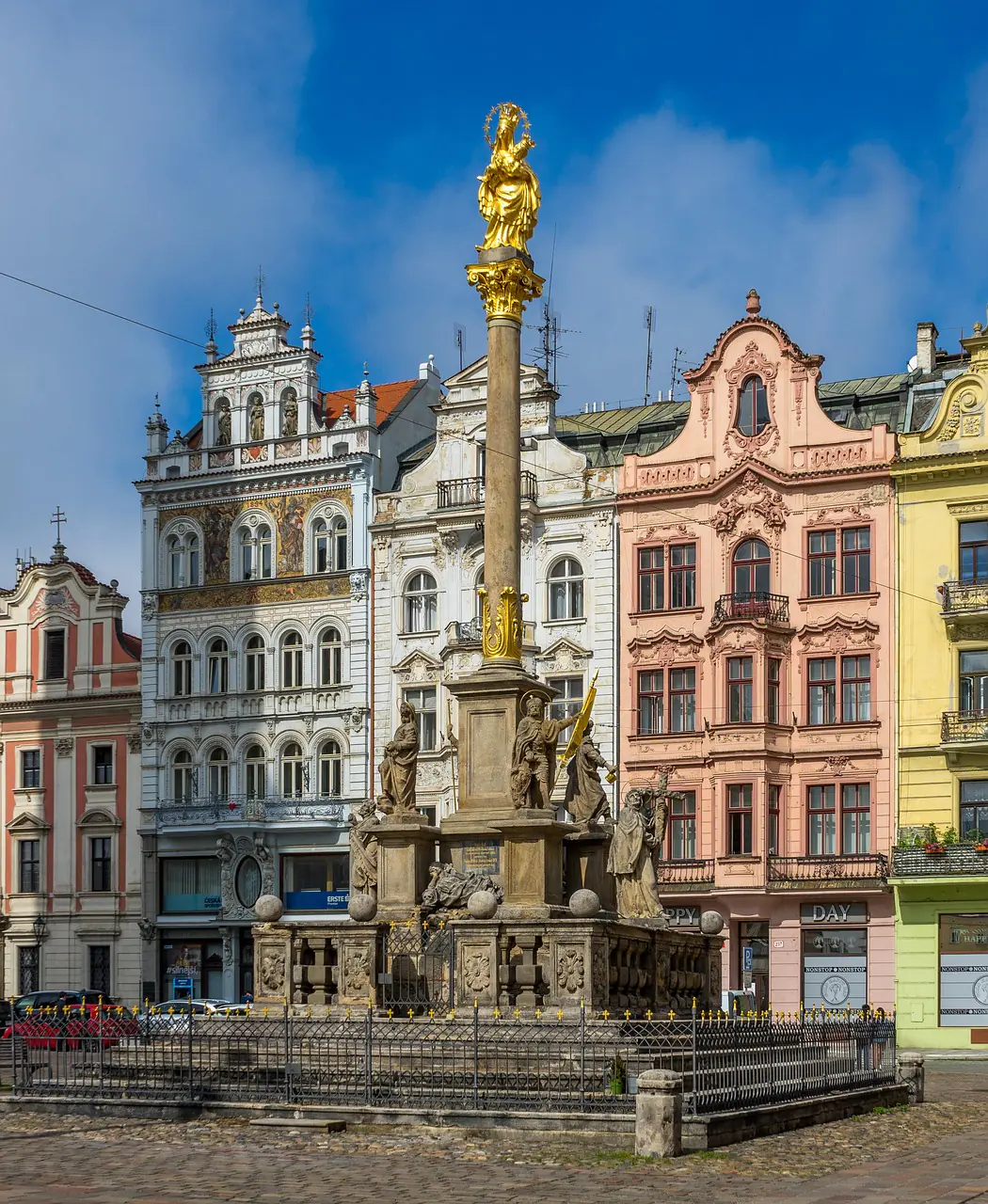
The square first if the slot allows: St. Bartholomew’s spire climbed for orientation (the brewery’s gate and chimneys reading clearly from the top), the plague column, and the Renaissance town hall’s sgraffito. The brewery tour anchors the early afternoon: the 1842 story told where it happened, old brewhouse coppers and the modern hall’s scale, and then the descent — the sandstone labyrinth cut for lagering long before refrigeration, oak barrels still working a share of the beer, and the pour: unfiltered, unpasteurized, cellar-cold, tasting like the standard every imitator softened. The Brewery Museum or the underground walk fills the remaining hour by appetite (the two pair naturally — the town’s cellars and the brewery’s are one geology). The Great Synagogue takes twenty respectful minutes on the walk back. Dinner or the train home, with the square’s tank pubs pouring the fresh version for those on the later departure.
When to go
The cellars make the trip seasonless — 10°C in August and January alike — and the town square runs its calendar around beer regardless: Pilsner Fest (early October, the 1842 anniversary) is the maximum version, booked well ahead. Advent dresses the square; summer terraces stretch the evening argument for the later train. Weekday tours run quieter than weekend ones in every month, and the first English slot of the day gets the cellars at their emptiest.
Frequently Asked Questions
What actually happened in 1842?
The town’s burghers, tired of inconsistent ale, built a new brewery and hired Bavarian brewer Josef Groll, who combined bottom fermentation with Pilsen’s soft water, pale Moravian malt, and Saaz hops — producing, on October 5, 1842, the first clear golden lager. The style conquered the planet as ‘pilsner’; the original never moved.
Why can’t I get the unfiltered pour elsewhere?
Because it’s unpasteurized and unfiltered, it doesn’t travel — it lives in the lagering cellars and a handful of certified tank pubs at freshness the export chain can’t preserve. The cellar pour from oak is the tour’s exclusive: the beer as 1842 tasted it, yeast haze and all. That scarcity is the alarm’s argument-for-the-trip line, meant literally.
Is the tour in English?
English tours run daily at set times alongside Czech ones — the booking step per the alarm is about securing the right language slot as much as the date. The tour runs about 100 minutes, involves the cellar temperature drop, and admits under-18s (the pour swaps for soft drinks).
What’s in the underground?
Some twenty kilometers of interconnected medieval cellars, wells, and passages beneath the old town — dug for storage, water, and beer from the 14th century — with a guided, helmeted circuit open to visitors covering a walkable fraction. It pairs with the brewery as one story: this town has always kept its treasure underground.
Pilsen or Kutná Hora from Prague?
Kutná Hora (documented on this network) for the bone church and silver-mining Gothic; Pilsen for the beer pilgrimage and a working industrial legend. Ossuary versus Urquell — opposite registers at similar train times, and the honest Prague week schedules both.