Prague Day Tours
I’m Serious Day Tour Man AI, your day trip expert. Ask me anything — where to go, how to get there, and what’s actually worth your day.
Prague’s day-trip ring holds a fairy-tale river town UNESCO froze whole, a chapel where the bones of forty thousand people were arranged into chandeliers and coats of arms — visited under rules that have tightened, and explained below — and a sandstone wilderness whose rock gate is the largest of its kind in Europe.
One entry stands apart: Terezín, the former ghetto and prison camp an hour north, needs the sober day such ground requires, and gets it here. The city block covers the castle’s circuits, the astronomical-clock honesty, and the beer rules.
Here’s what’s worth a day, with real times and honest trade-offs.

Popular Day Trips

Český Krumlov
A fairy-tale bend in the Vltava — the early start is the trick
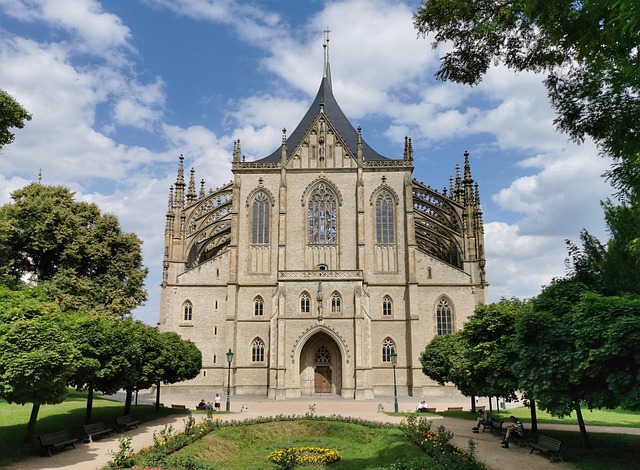
Kutná Hora
Silver, bones, and a miners’ cathedral, an hour east

Karlštejn
The imperial vault, 40 minutes out — the chapel takes a booking
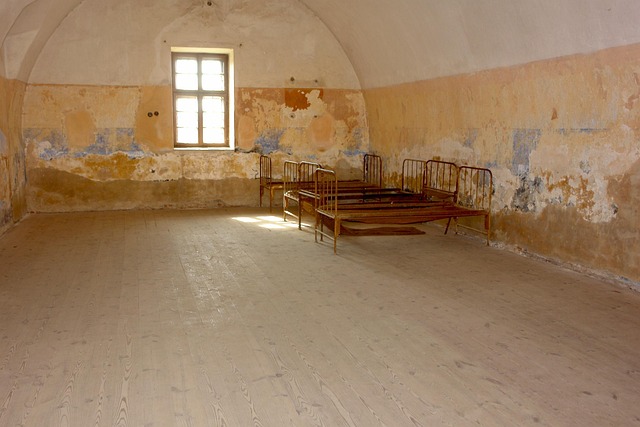
Terezín
An hour north. Visited properly.

Pilsen
Golden lager was invented here in 1842 — drink it unfiltered
Český Krumlov — The Frozen Town
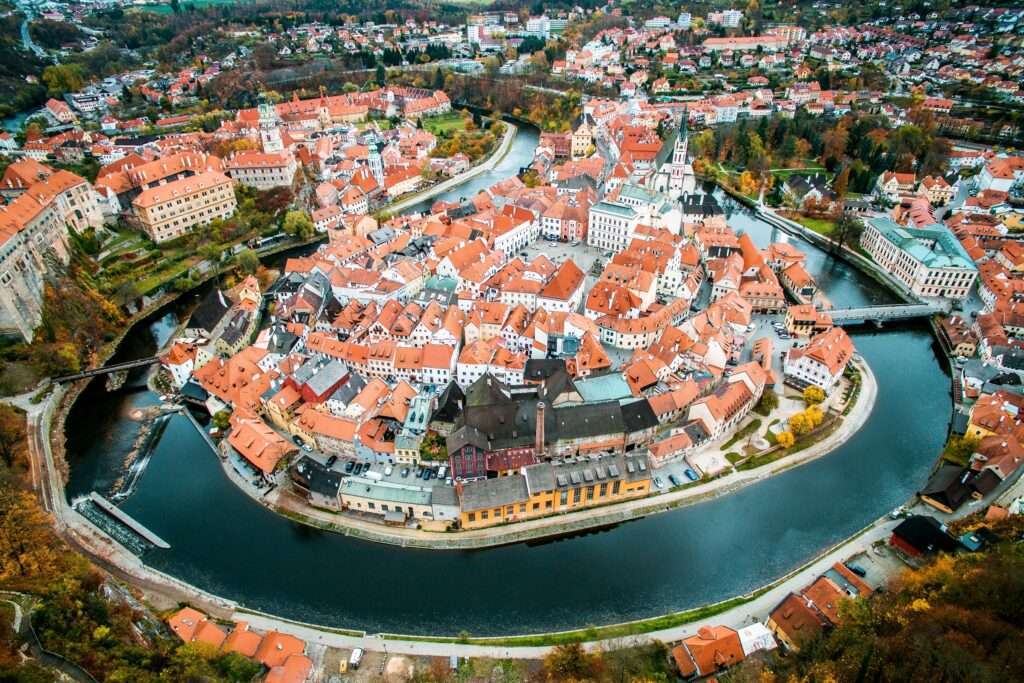
Two and a half to three hours south (bus beats train; the direct coaches from Na Knížecí run comfortable and cheap), Český Krumlov is the South Bohemian postcard UNESCO listed whole: the Vltava horseshoes twice around a medieval core of gabled lanes, and the castle complex above it — the country’s second largest after Prague’s — stacks a painted tower, courtyards in trompe-l’œil, and a Baroque theatre so intact it still stages candle-lit performances a few times a year.
The circuit: the tower climb first (the view explains the town’s geometry in one look), the castle’s guided routes by taste (the theatre tour is the rarity worth planning around; interiors run seasonally), the cloak-bridge viewpoint, and then the lanes — Latrán to the main square, with the Egon Schiele Art Centrum carrying the town’s prickliest famous resident. Summer adds the rafting-and-canoe flotilla through town, weir drops included, which is exactly as cheerful as it looks.
The math: it is the longest standard day here, five-plus hours of road round trip, and the town between 11 and 4 fills with the day-trip wave (this list’s included). The overnight, when the coaches leave and the lanes empty under the lit tower, is the town people fall for; take the day trip with that knowledge or the extra night with no regrets.
Kutná Hora & Sedlec — Silver and Bones
An hour east by train, Kutná Hora was medieval Bohemia’s silver engine — briefly Europe’s mint — and its two halves split one day. Sedlec first, with its rules stated plainly: the ossuary’s arrangements — the chandelier said to use every bone in the human body, the four bone pyramids, the Schwarzenberg coat of arms, all arranged by woodcarver František Rint in 1870 from the remains of some forty thousand plague and war dead — sit in a consecrated chapel where services still run. Photography inside is not permitted, tickets are not sold at the chapel door (buy online or at the Sedlec Information Centre nearby; the combined ticket adds the UNESCO cathedral of the Assumption next door), and the visit is taken quietly. The place was built as a meditation on mortality; the rules just restored it.
The upper town completes the day: St. Barbara’s — the miners’ own Gothic cathedral, its vaults ribbed like the tunnels that paid for it — the Italian Court’s mint history, the Hrádek mining museum’s underground tour (helmets, tight passages, the actual medieval workings), and a historic center worth the extra hours most day-trippers never give it. Trains from Praha hlavní run about an hour to Kutná Hora hl. n. (closest to Sedlec; a shuttle train continues to the town center), and the Sedlec-first, town-second routing walks downhill with the day.
Read the full Kutná Hora day-trip page.
Karlštejn — The Emperor’s Vault
Forty minutes southwest by frequent local train, Karlštejn is the castle Charles IV built as a spiritual vault: the Gothic stronghold that guarded the imperial crown jewels and holy relics, stacked up its ridge in stages that culminate in the Chapel of the Holy Cross — walls sheathed in gold, semi-precious stone, and 129 panel paintings by Master Theodoric, one of the most concentrated medieval interiors anywhere.
The castle visits by guided tour only, in numbered routes — the standard route covers the imperial residence, while the chapel route is capacity-limited and books out ahead in season (reserve online for it specifically; it is the reason to come). The village below runs a cheerful souvenir gauntlet from station to gate — twenty-five uphill minutes, horse-carts optional — and the walk itself is half the postcard.
The Bohemian Karst around it holds the Koněprusy Caves’ limestone halls fifteen minutes away, and the riverside path along the Berounka handles the picnic hour. This is the short, high-payoff castle day: half a day plus lunch, doubled by the caves or the karst trails — and the chapel slot is the difference between a good visit and the one you came for. Mondays close it, as with most Czech castles; check the calendar.
Read the full Karlštejn day-trip page.
Terezín — Visited Properly
An hour north, Terezín carries weight this list does not treat lightly. The eighteenth-century fortress town became, under Nazi occupation, the Theresienstadt ghetto — a way station through which some 150,000 Jews passed toward the death camps, tens of thousands dying in the town itself — and the propaganda stage the regime dressed for a Red Cross inspection while the transports continued. The Small Fortress across the river ran as a Gestapo prison with its own dead.
The visit: the Terezín Memorial administers the sites — the Ghetto Museum and Magdeburg barracks in the town, the Small Fortress with its courtyards and cells, the crematorium and cemeteries — and the combined ticket with a guided tour supplies the context the ground demands; allow four hours minimum. The children’s drawings in the museum, made in secret art classes and preserved after their makers were deported, are the exhibit visitors carry home.
The register, stated plainly: this is a place of memory, not an attraction — photograph with restraint, keep the tone the site sets, pair the day with nothing celebratory, and give the return trip its quiet. Public buses from Nádraží Holešovice reach it directly; the guided day tours from Prague handle logistics and context together. It is the most important day on this list.
Read the full Terezín day-trip page.
Bohemian Switzerland — The Sandstone North
Two hours north against the German border, Bohemian Switzerland National Park runs the country’s wildest scenery: sandstone towers and gorges under pine, with the Pravčická brána — Europe’s largest natural sandstone arch, the gate every fantasy location scout eventually finds — as the headliner. The classic circuit from Hřensko: the climb to the arch (the trail fee includes the belle-époque Falcon’s Nest chalet beneath it; the arch itself has been closed to walking on for decades — the views are of it and from beside it), then the Kamenice gorges, where punted boats glide the canyon stretches between walks, ferried by boatmen whose commentary survives translation.
The 2022 forest fire burned through parts of the park, and recovery work still shapes trail routings — check current status before fixing the loop — summer weekends load the arch path by mid-morning (go early or midweek), and proper shoes beat sandals on the sandstone everywhere. The Edmund Gorge boats run seasonally; winter closes most of the circuit.
It is a committed full day — car, tour, or the train-and-bus combination via Děčín — and no day from Prague packs in more nature. The Saxon side (Bastei’s bridge) extends the same sandstone world across the border for a second trip.
The Castle Circuits, the Clock Truth & Prague Itself
Prague Castle, mechanically: the complex is free to walk — courtyards, viewpoints, the cathedral’s entry hall — while the ticketed circuit covers St. Vitus’s full nave, the Old Royal Palace, St. George’s Basilica, and Golden Lane (which, note, opens free after the paid hours end). Book online, go at opening or after 3, and take the tram to Pohořelec to walk down rather than climbing up. The changing of the guard at noon is the fuller ceremony; the hourly one is a shift change with posture.
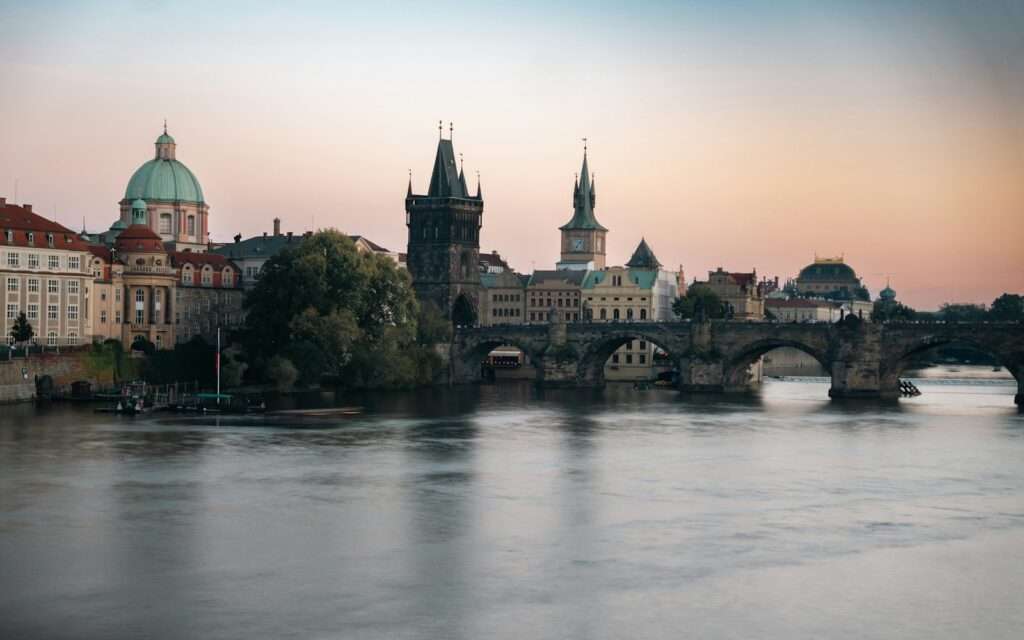
The clock truth, delivered kindly: the Astronomical Clock’s hourly show is twelve apostles in forty-five seconds — watch it once from the back of the crowd, guard your pockets (the show is the pickpockets’ dinner bell), and spend the saved time climbing the tower above it, which is the actual payoff. The Charles Bridge runs the same arithmetic: dawn or late evening for the bridge itself, midday for the crowd portrait.
The living rules: beer is the national table water and the rules are simple — the foam is intentional, the tank pubs (tankovna) pour the freshest Pilsner Urquell, and ordering happens by raised fingers and eye contact; the currency is the koruna, not the euro (dynamic-conversion card readers and street exchange booths both round against you — decline conversion, use bank ATMs); and the Old Town–Malá Strana axis prices for visitors while two streets off it the city returns to Czech prices. Eat the svíčková and the roast duck properly once, the chlebíčky open-faced sandwiches for lunch, and the trdelník with the knowledge that it’s a cheerful tourist pastry, not a tradition. Season math: April–June and September–October are the windows; December’s markets fill the squares beautifully and bodily; and the city’s compact center means the day trips above are the escape valve — use them midweek and Prague itself breathes easier on your return.
Full day-trip pages: Pilsen.
Frequently Asked Questions
Is Český Krumlov doable in a day?
Yes — two and a half to three hours each way by direct bus, with the tower, castle courtyards, and lanes fitting comfortably between. The town from 11 to 4 fills with the day-trip wave; the overnight, when the lanes empty, is the town people fall for.
What are the rules at the Bone Church?
No photography inside — the Sedlec chapel is consecrated and still holds services — and tickets aren’t sold at the door: buy online or at the nearby information centre (the combo adds the UNESCO cathedral). Visit quietly; it was built as a meditation on mortality.
How do you visit Karlštejn’s famous chapel?
By the capacity-limited chapel route only, reserved online ahead in season — the Holy Cross Chapel’s gold-and-gem interior is the castle’s whole point. The standard route covers the residence; Mondays close everything.
How should you plan Terezín?
As its own sober day: the Memorial’s combined ticket and a guided tour, four hours minimum across the Ghetto Museum, Small Fortress, and cemeteries, photographed with restraint and paired with nothing celebratory. Direct buses run from Nádraží Holešovice.
Do you need euros in Prague?
No — the koruna is the currency, and the traps are dynamic card conversion (always decline; pay in CZK) and street exchange booths. Bank ATMs and card payments in koruna settle it; beer math takes care of itself.