Terezín from Prague
An hour north, the Habsburg fortress town became a Gestapo prison and a Jewish ghetto. Some 155,000 people passed through it. The memorial asks for a full day, and this page treats it accordingly.
The short version
- Public buses run Prague’s Nádraží Holešovice to Terezín in about an hour at regional fares, stopping at the town square and near the Small Fortress; the memorial’s opening times, combined ticket, and site map are at pamatnik-terezin.cz.
- The facts, stated plainly: the 1780s Habsburg garrison town was converted from 1941 into a ghetto and transit camp for Jews from the Czech lands and beyond; some 155,000 people passed through, about 35,000 died here of hunger, disease, and mistreatment, and the great majority of the rest were deported east — most to their deaths at Auschwitz and other camps.
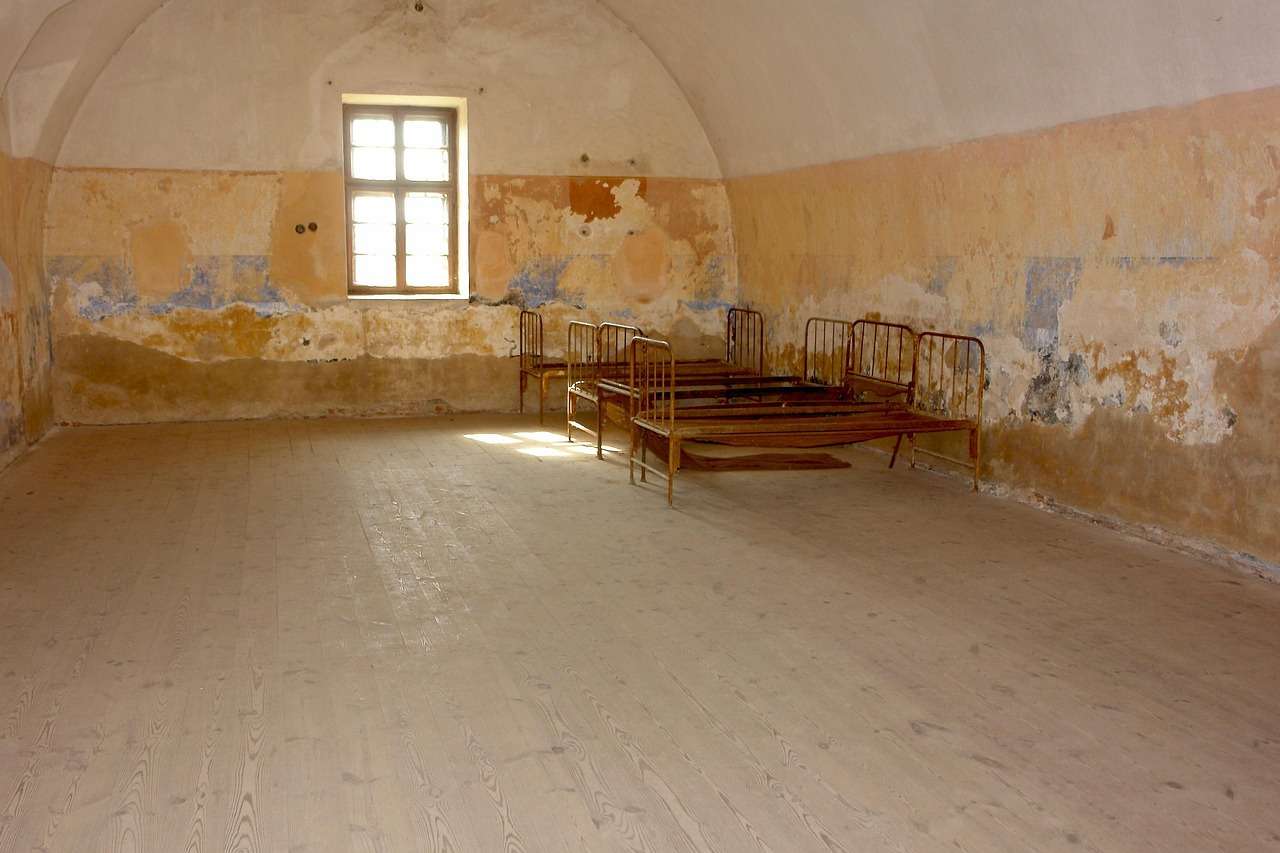
- The Small Fortress across the river operated separately as a Gestapo police prison — the ‘Arbeit Macht Frei’ gate, the cells, the execution ground — walked today on marked routes with the National Cemetery before its walls.
- The Ghetto Museum and the Magdeburg Barracks in the town carry the ghetto’s history: the transports, the forced self-administration, and the cultural life prisoners sustained — music, theater, lectures — presented as the act of endurance it was, not as consolation.
- The June 1944 deception is documented in full: the town was beautified for a Red Cross visit — facades painted, a café staged, deportations accelerated beforehand to reduce crowding — and a propaganda film shot afterward; the exhibits show the machinery of the lie plainly.
- Thousands of children’s drawings made in the ghetto’s clandestine classes survived; a selection is displayed here and at Prague’s Pinkas Synagogue, and the alarm’s instruction stands — read them slowly, with the names and dates beneath them.

Getting there
The bus is the practical route — regular departures, an hour’s ride, arrival at the town’s edge — and drivers park easily by the Small Fortress. The combined ticket covers the memorial’s main sites and is bought at any of them. The town of Terezín is a living municipality inside the fortress walls; the memorial sites sit within and beside it, and the walking between them is part of the visit’s shape. Allow five hours on the ground as a floor; the alarm’s own-day rule is not padding.
The visit
Begin at the Ghetto Museum for the framework — the timeline from garrison town to ghetto, the transport lists, the arithmetic of the place — then the Magdeburg Barracks for the rooms on the ghetto’s forced administration and its cultural life: the concerts and operas staged by prisoners, including the children’s opera Brundibár, performed dozens of times by casts the transports kept taking. Walk to the Small Fortress across the Ohře: the National Cemetery’s rows before the gate, the prison yards and cells on the marked route, the execution ground at the far wall. The columbarium, the crematorium, and the Jewish cemetery south of town complete the circuit for those with the hours. The register throughout is the alarm’s: quiet, unhurried, factual. Photography is permitted in most areas and best used sparingly; the site’s plainness carries more than any framing.
Practical notes
The memorial operates year-round with seasonal hours — winter visits work fully and ask for warm layers, since much of the visit is open ground. Guided tours in English run on posted schedules and add documentary depth; the self-guided route with the site texts is complete in itself. Food options in town are modest — a simple lunch or carried food is the practical answer. The visit suits older children with preparation; the exhibits are honest and some content is heavy, and families calibrate accordingly. Return buses run into the early evening; check the last departures on arrival, and let the ride back be what it needs to be.
Frequently Asked Questions
How is Terezín different from Auschwitz as a visit?
Terezín was a ghetto, transit camp, and police prison rather than an extermination camp — the deaths here came through conditions and the deportations led east. The visit is quieter and less infrastructural than Auschwitz (documented on this network, likewise as its own day), and the two are not interchangeable; each tells a distinct part of the same history.
What was the Red Cross deception exactly?
In June 1944 the SS staged the town for a Red Cross delegation: paint, shop windows, a bandstand, deportations beforehand to thin the visible crowding — and the delegation’s report found nothing alarming. A propaganda film followed. The exhibits present the documents and footage; the episode is central to understanding how the ghetto was used.
Are the children’s drawings on display here?
A selection is, within the Ghetto Museum’s exhibits, with the larger surviving collection associated with Prague’s Jewish Museum and the Pinkas Synagogue display. They were made in clandestine classes led by imprisoned artists and teachers; most of the children who drew them did not survive. The alarm’s read-slowly instruction is the whole guidance.
Can I combine Terezín with another stop?
The alarm’s rule holds: no. The visit fills the day it’s given, and pairing it with lighter stops serves neither. This network keeps the same rule for its other memorial pages; the day trip that matters here is the one that goes, attends, and comes home.
Is the town itself still inhabited?
Yes — Terezín is a working town of a few thousand inside the fortress geometry, which visitors sometimes find disorienting. The memorial sites sit within ordinary streets; the juxtaposition is part of the place’s reality and treated matter-of-factly by residents and memorial alike.